
Overview
This hub holds the two Dimraeth tools that are honest before Early Access exists: a system requirements sheet copied from Steam, and an archetype planner that only lists race and class pairs Mudtek has named. There is no live DPS sim, no hidden stat API, and no inventory importer, because the paid client is not out yet.
Open system requirements if you need to know whether a Windows 10 laptop, a 4 GB machine, or a Steam Deck is in spec. Open Steam Deck and Controls if the handheld is the machine you will actually play. Minimum and recommended tables live there, plus the platform facts that belong next to hardware: Windows at launch, Deck confirmed by the official FAQ, no Mac/Linux/console confirmation, broadband for co-op, and install sizes of 5 GB minimum / 10 GB recommended.
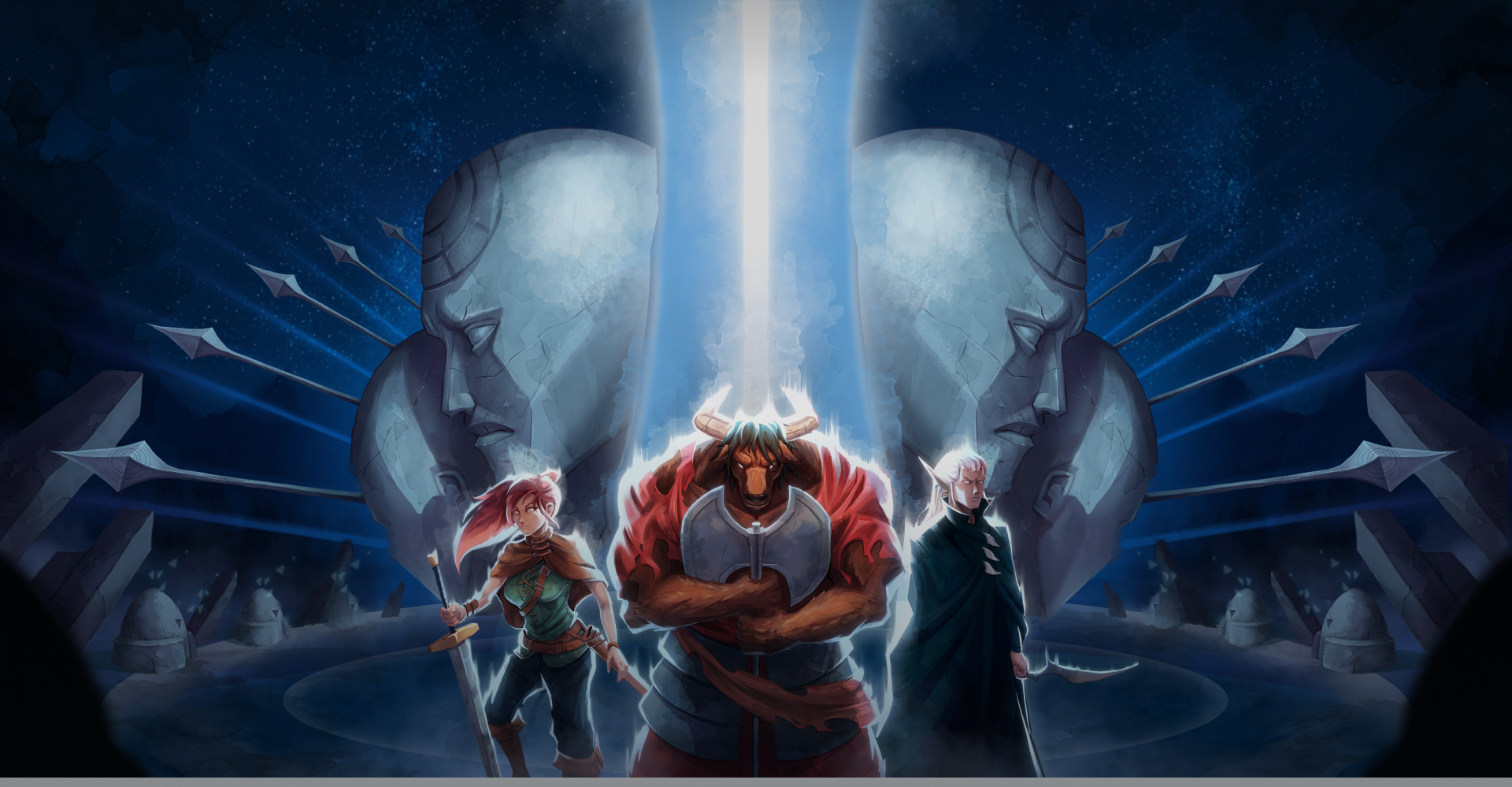
Open the archetype planner if you are stuck on character creation. The 1.0 pitch is eight races times six classes for 48 unique trees. The confirmed names today are Minotaur, Human, Elf, Fairy and Brawler, Magician, Shadow . The planner tables those eight pairings, repeats Phillip’s XP-cost warning, and refuses to name the missing roster. Pair it with controls if you still need to know whether keyboard, mouse, and gamepad are all first-class; they are.
What does not belong on a tools page yet
A loot table spreadsheet for a region that is still being built. A patch-tied tier calculator. A dedicated-server host list (there are no dedicated servers). A local split-screen overlay (there is no local multiplayer). If a later Early Access update ships a public data export, this hub can grow a third tool. Until then, fake calculators would only launder guesses.
The right companion pages sit in Guides, not here. Getting Started is the first-hour route. Character creation, races, classes, and starter builds are linked from the planner so you can leave this hub once the grid has done its job.
How to use the two tools in order
Confirm the PC or Deck can run the Steam build using the requirements page. Pixel-art does not mean “any integrated chip from 2012.” The listed floor is a 4th-gen Core i3 or AMD equivalent, 4 GB RAM, and a GTX 750 / R7 260X / Intel UHD 620 class GPU.
Decide whether you will host or join. Hosting is peer-to-peer. The person with the stabler connection should host. Requirements do not list a special host SKU; they do list broadband.
Lock a confirmed race and class pair in the planner. Spend XP on the cheap, on-archetype attributes. Off-stat dumping is how you reach the level cap with a thinner character.
Learn the input you will actually use on the controls page. Joseph’s 2025 Deck notes treated menus and inventory as the remaining work after combat already ran on handheld. By demo time, controller support was a selling point. Recheck that page if Early Access changes glyphs.
Studio and session context the tools assume
Mudtek is about ten people. Founder Joseph comes from network engineering; that is why the co-op pitch is drop-in persistence rather than an MMO shard. Tools on this guide will not grow a realm-status widget. They will grow hardware and build helpers.
Early Access remains dated 15 September 2026 . If you are reading this after that date, the requirements numbers can still change in a Steam edit. Always prefer the live store tables over a screenshot in an old guide. The planner’s confirmed-name rule does not change: new races and classes get rows when Mudtek names them, not when a Reddit thread does.
When you finish here, you should know whether your machine is legal and which of the eight documented pairings you will roll first. Everything else is a guide.